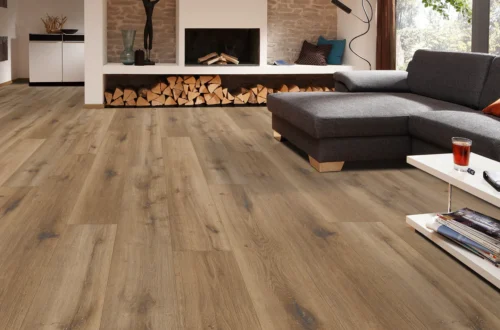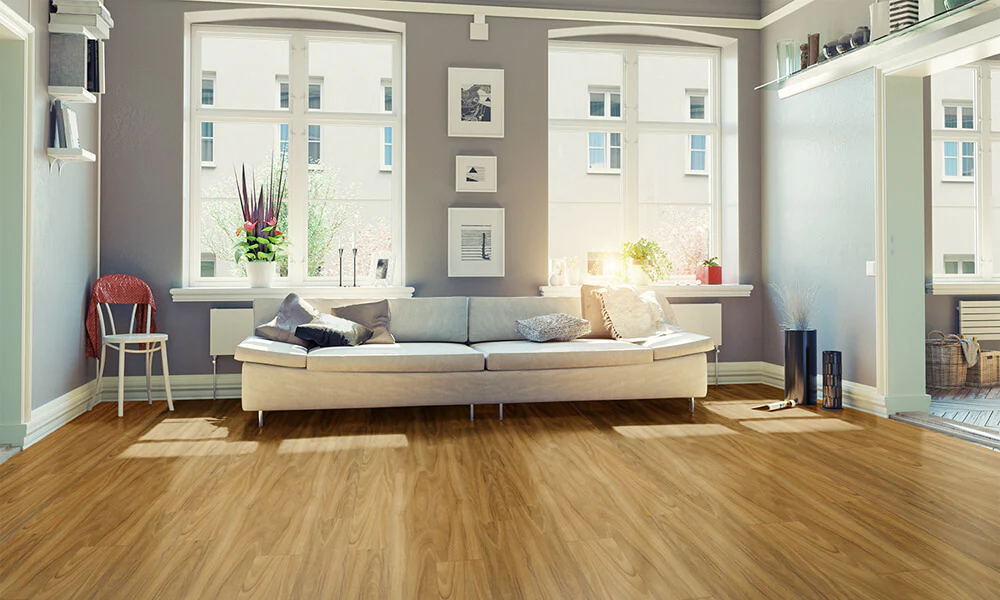
Tips for Finding the Best Affordable Flooring Options in Canada
Choosing the perfect flooring for your home or business can be exciting — but it can also be overwhelming, especially when you’re on a budget. The good news? Affordable flooring options in Canada don’t have to mean sacrificing style, durability, or quality. With the right approach and a bit of research, you can find flooring that enhances your home’s look and value while staying well within your financial comfort zone.
Whether you’re renovating a single room or an entire property, this comprehensive guide will walk you through how to find the best affordable flooring options in Canada — from understanding materials and comparing prices to knowing where to shop and how to save smartly.
1. Start with a Realistic Budget
Before you start browsing flooring samples or visiting showrooms, determine how much you’re willing to spend. Flooring costs vary widely depending on materials, installation, and even regional differences across Canada.
Here’s a quick breakdown of average flooring prices (per square foot):
-
Laminate Flooring: $1.50 – $4.00
-
Vinyl Plank Flooring: $2.00 – $5.00
-
Engineered Hardwood: $4.00 – $8.00
-
Carpet: $3.00 – $6.00
-
Ceramic Tile: $3.00 – $7.00
Remember to factor in installation costs, underlayment, trims, and waste percentage (typically 5–10%). Setting a clear budget upfront helps you focus on options that balance both cost and quality.
2. Compare Popular Affordable Flooring Types
Not all flooring is created equal, and what’s affordable for one home may not suit another. Let’s explore some of the most cost-effective flooring materials in Canada and what makes each one stand out.
a. Laminate Flooring
Laminate is a top choice for Canadians seeking affordability without compromising aesthetics. It mimics the look of hardwood or tile through photographic imaging and a protective wear layer.
Pros:
-
Budget-friendly and easy to install (great for DIYers)
-
Scratch-resistant and ideal for high-traffic areas
-
Wide range of styles and finishes
Cons:
-
Not waterproof (unless you choose water-resistant laminate)
-
Cannot be refinished once damaged
Laminate is perfect for living rooms, bedrooms, or basements where moisture isn’t a major concern.
b. Vinyl Plank Flooring (Luxury Vinyl Plank – LVP)
Vinyl plank flooring has surged in popularity due to its durability, waterproof properties, and realistic wood or stone visuals. It’s one of the best affordable flooring options for Canadian homes, especially in areas prone to moisture like kitchens and basements.
Pros:
-
100% waterproof (great for Canadian winters)
-
Easy to clean and maintain
-
Comfortable underfoot
Cons:
-
Can dent under heavy furniture
-
Some lower-end vinyl may off-gas initially
For homes with pets or kids, vinyl plank offers the ideal mix of style, comfort, and practicality.
c. Engineered Hardwood
If you love the look and feel of real wood but not the high price tag, engineered hardwood is a smart middle ground. It features a real hardwood veneer layered over a plywood base for improved stability and lower cost.
Pros:
-
Authentic hardwood appearance
-
More affordable than solid hardwood
-
Suitable for areas with fluctuating humidity
Cons:
-
Higher price than laminate or vinyl
-
Can’t be refinished as often as solid hardwood
It’s perfect for homeowners who want timeless style and value without overspending.
d. Carpet
Carpet remains a classic flooring choice for bedrooms and basements, offering warmth, comfort, and sound absorption.
Pros:
-
Soft and cozy underfoot
-
Available in countless colors and textures
-
Good insulation for cold Canadian climates
Cons:
-
Can stain easily (unless treated)
-
Requires regular maintenance and deep cleaning
Carpet tiles are another affordable option, allowing you to replace individual sections instead of redoing the entire floor.
e. Ceramic and Porcelain Tiles
While tile can be pricier to install, it’s extremely durable and long-lasting — making it a smart investment for kitchens, bathrooms, and entryways.
Pros:
-
Water-resistant and easy to clean
-
Adds value to your home
-
Many affordable styles available
Cons:
-
Cold underfoot
-
Installation costs can add up
If you’re handy, DIY installation can cut costs significantly.
3. Shop Smart: Where to Find the Best Deals
Finding affordable flooring in Canada isn’t just about choosing the right material — it’s also about where and how you shop. Here are some money-saving strategies:
a. Visit Local Flooring Stores and Outlets
Local retailers often have clearance sales or end-of-line discounts on top-quality flooring. Visiting in person lets you feel textures, compare finishes, and ask about bulk or seasonal discounts.
b. Check Big Box Stores
Chains like Home Depot, RONA, and Lowe’s Canada regularly offer promotional pricing on flooring materials. You can also find online-only deals with free delivery options.
c. Explore Online Retailers
Many Canadian e-commerce flooring companies offer competitive prices by cutting out middlemen. Always check reviews, shipping policies, and return options before purchasing.
d. Look for Remnants or Overstock
If you’re renovating a smaller space, check for flooring remnants — leftover pieces from larger projects sold at a fraction of the price. These can often be found at local flooring warehouses or clearance centres.
4. Consider DIY Installation
Labour is one of the biggest expenses in flooring projects. Depending on your comfort level and the flooring type, installing it yourself can save hundreds or even thousands of dollars.
Best Flooring Types for DIY Installation:
-
Laminate (click-lock systems)
-
Vinyl Plank (peel-and-stick or click-lock)
-
Carpet Tiles
Before starting, ensure you have the right tools, underlayment, and proper subfloor preparation. Many Canadian homeowners follow YouTube tutorials or manufacturer guides to complete installations successfully.
5. Don’t Overlook Maintenance and Longevity
Affordable flooring isn’t just about the purchase price — it’s also about long-term costs. A cheaper option that wears out in a few years can end up costing more than a slightly pricier, longer-lasting floor.
When comparing options, consider:
-
Warranty period
-
Water and stain resistance
-
Ease of maintenance
-
Expected lifespan
For example, a $2 per sq. ft. vinyl plank that lasts 20 years is a far better investment than a $1.50 laminate that needs replacing every five years.
6. Choose Flooring That Fits Canada’s Climate
Canada’s unique climate — from humid summers to freezing winters — can affect how certain flooring materials perform.
Pro Tip:
-
In cold regions, consider insulated underlayment or heated flooring systems for comfort.
-
In humid or coastal areas, avoid solid hardwood and opt for vinyl or engineered wood for better moisture resistance.
-
In basements, stick to waterproof options like vinyl plank or tile.
Selecting flooring suited to your local climate ensures durability and reduces maintenance issues.
7. Mix and Match for Cost Efficiency
You don’t have to use the same flooring throughout your home. Mixing materials allows you to allocate your budget strategically — splurge in high-visibility areas like the living room, and save in lower-traffic zones.
For example:
-
Engineered hardwood in main areas
-
Vinyl plank in bathrooms or basements
-
Carpet in bedrooms
This hybrid approach gives you both luxury and savings.
8. Check for Rebates, Warranties, and Eco-Friendly Options
Many Canadian provinces and municipalities offer rebates or incentives for choosing eco-friendly flooring materials. Look for certifications such as:
-
FloorScore® for indoor air quality
-
FSC-certified wood for sustainable sourcing
-
GreenGuard for low VOC emissions
These options not only help the planet but can also improve your home’s resale value.
Additionally, always review warranty terms — they’re often indicators of product quality. Longer warranties typically reflect better durability and manufacturer confidence.
9. Get Multiple Quotes
Before committing, always get at least three quotes from different flooring suppliers or contractors. This helps you compare not only prices but also installation quality, warranty, and after-sale services.
When comparing quotes, ensure they include:
-
Material cost
-
Underlayment and installation charges
-
Waste allowance
-
Removal/disposal fees (if applicable)
Transparency in pricing can save you from hidden costs later.
10. Time Your Purchase Right
Flooring prices can fluctuate seasonally. The best time to buy affordable flooring in Canada is usually:
-
Late winter or early spring (before renovation season starts)
-
End of summer or fall clearance sales
-
Holiday promotions (Boxing Day, Black Friday)
Planning your project around these sales can lead to significant savings without compromising on style.
Conclusion
Finding the best affordable flooring in Canada is all about striking the right balance between cost, quality, and practicality. With today’s variety of laminate, vinyl, engineered wood, and tile options, you can achieve the look you love at a price you can afford.
Take time to plan your budget, explore materials, compare quotes, and shop smart. Whether you choose to DIY or hire a professional, your efforts will pay off with beautiful, durable flooring that fits your home and lifestyle — without breaking the bank.
So, the next time you’re updating your home, remember: affordable flooring isn’t just about price — it’s about making a smart, lasting investment in comfort, style, and value.


You May Also Like
The Benefits of Choosing Professional Installation Services for Your Home Projects

Why Brampton Residents Trust Local Hardwood Flooring Stores for Quality and Value